
why does my dog follows me everywhere
 By Pet Care Daily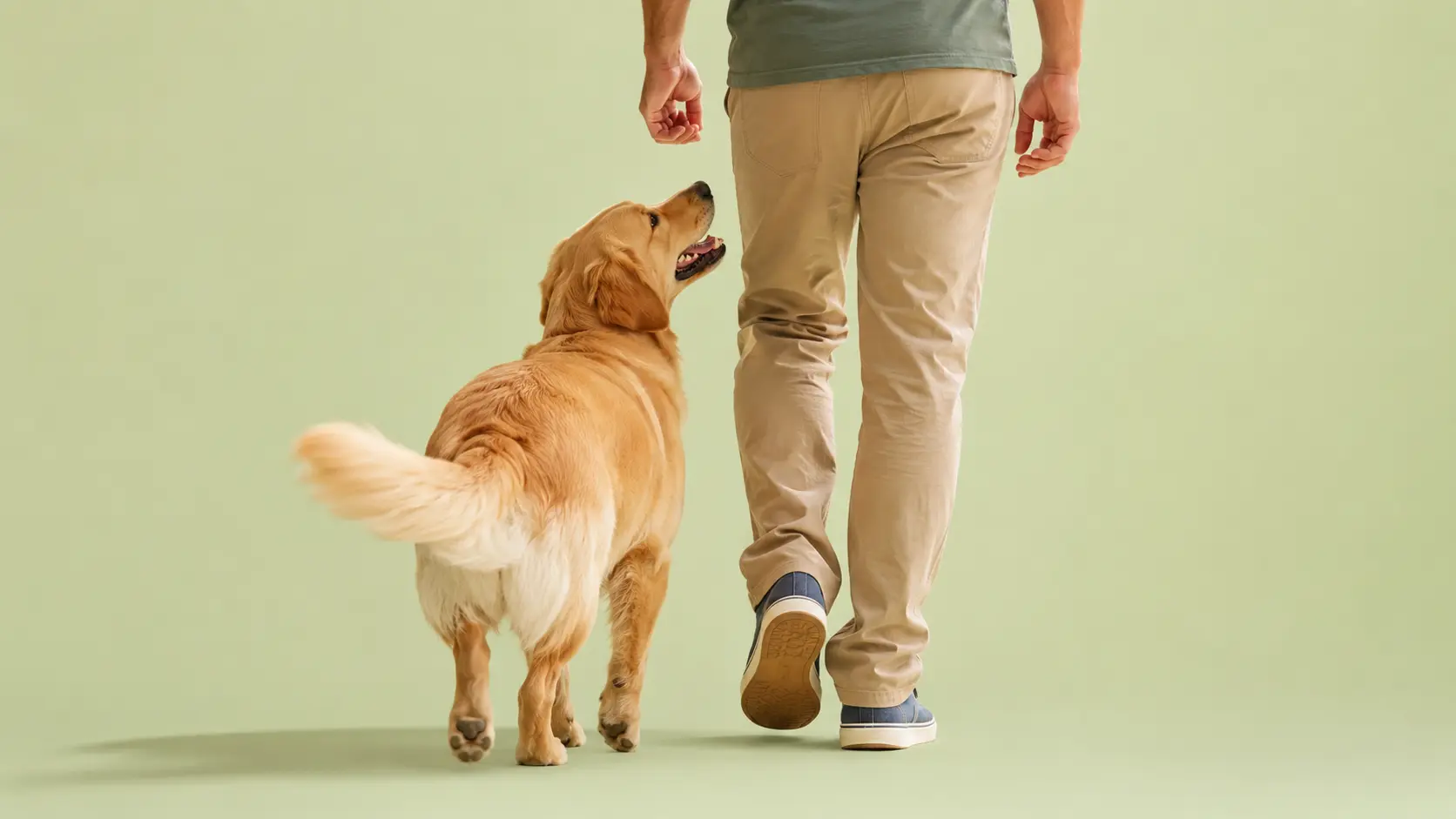
- 1Introduction
- 2Quick Answer
- 3Is It Normal for Dogs to Follow You…
- 4Main Reasons Your Dog Follows You Everywhere
- 5Your Dog Feels Safe Around You:
- 6Your Dog Enjoys Your Company:
- 7Your Dog Has Learned Your Daily Routine:
- 8Your Dog Wants Food, Treats, or Attention:
- 9Your Dog Is Curious About What You Are…
- 10Some Dogs Naturally Stay Close to Their Owners:
- 11Not Every Dog Follows the Same Way:
- 12Your Dog May Be Bored or Under-Stimulated:
- 13Separation Anxiety May Be Involved:
- 14Could Your Dog Need a Companion, Not Just…
- 15Normal Following vs Concerning Following Behavior
- 16How to Reduce Clingy Behavior Without Hurting Your…
- 17Real Owner Tip: Setting Room Boundaries Early:
- 18Teaching Your Dog to "Wait" Instead of Follow:
- 19Why Some Dogs Follow Closely but Resist Being…
- 20When to Contact a Vet or Professional Dog…
- 21Frequently Asked Questions:
- 22Why does my dog follow me to the…
- 23Why does my dog follow me but not…
- 24Why did my dog suddenly start following me…
- 25Is it bad if my dog follows me…
- 26Final Thoughts:
Introduction

Does your dog trail you from the kitchen to the couch to the bathroom, like a furry shadow? You’re not alone. This is one of the most common questions new dog owners ask, and there’s a good reason for it. Quick answer: In most cases, your dog follows you because you’re their favourite person. Dogs are social animals, and you’re the centre of their world — you feed them, play with them, and make them feel safe. This kind of “Velcro dog” behaviour is usually completely normal. But it’s not always just love. Sometimes dogs follow their owners because they’re bored, curious, hoping for a treat, or have simply learned that following gets them attention. Puppies do it because they’re still learning the ropes. Senior dogs may do it because their eyesight or hearing isn’t what it used to be. Every once in a while, though, constant following can be a sign of something more — like anxiety or an underlying health issue. Here’s what you’ll learn in this guide: the most common reasons dogs follow their owners, how to tell normal attachment from something that needs attention, simple ways to encourage a bit more independence, and when it’s time to call your vet or a trainer. By the end, you’ll understand exactly why your dog won’t leave your side — and whether that’s something to smile about or something to watch.
Quick Answer
Most dogs follow their owners around the house because they’re social animals, and you’re their favourite person. It’s that simple most of the time. Your dog sees you as their source of food, fun, safety, and attention. Where you go, good things tend to happen — so they stick close. This is sometimes called “Velcro dog” behaviour, and it’s especially common in breeds like Labradors, Border Collies, and Golden Retrievers, which were bred to work closely with people. A few other everyday reasons play a role too:
- Curiosity — they want to know what you’re doing.
- Habit — following you has earned them pets, treats, or attention in the past.
- Routine — they’ve learned that when you head to the kitchen, food might be coming.
- Boredom — following you is more interesting than being alone.
For example, if your dog trails you into the kitchen every time you open the fridge, that’s not weird — that’s just a dog who’s figured out where the good stuff comes from.
In most cases, this is a sign of a healthy, trusting bond, not a problem. It only becomes a concern if your dog panics when you’re out of sight, can’t settle down alone, or the following starts suddenly and doesn’t match their usual personality. We’ll cover how to tell the difference next.
Is It Normal for Dogs to Follow You Around the House?
Yes, in most cases, it’s completely normal. Dogs are social animals. In the wild, staying close to the group kept them safe and fed. Your dog hasn’t lost that instinct — they’ve just swapped a wild pack for your family.
Some breeds are more likely to shadow you than others. Working and herding breeds like Border Collies, Labradors, and Australian Shepherds were bred to stick close to people and watch for cues. Small companion breeds like Chihuahuas and Cavalier King Charles Spaniels were bred for closeness too. If you own one of these, expect some extra togetherness.
Following also grows out of everyday habits. If your dog gets pets, treats, or attention every time they trail you into the kitchen, they learn that following works. That’s not a bad thing — it’s just how dogs learn.
Here’s a simple way to think about it: normal following means your dog enjoys your company but can still relax on their own, eat without you in the room, and settle down when you leave for a bit.
It crosses into something worth watching when your dog can’t calm down without you, panics when you leave, or the clinginess shows up suddenly out of nowhere. That kind of change is worth mentioning to your vet.
Main Reasons Your Dog Follows You Everywhere
Love And Trust:
Most dogs simply enjoy being near their favorite person. Being close to you makes them feel safe and happy.
Pack Instinct:
Dogs evolved to stay near their group. Without a canine pack, your household becomes their pack, and you’re often the leader of it.
Attention:
If following you gets a pat, a look, or a few words, your dog will keep doing it. Attention is a reward, even a quick glance.
You’re the Provider:
You control the food, walks, and treats. Following you around, especially into the kitchen, is often just smart timing.
Curiosity:
Dogs want to know what you’re up to. If you’re moving around the house, they assume something interesting might happen.
Anticipation:
Dogs are great at reading routines. If it’s close to walk time or dinner time, they’ll shadow you until it happens.
Puppy Attachment:
Young puppies naturally imprint on their caregiver and stick close while they learn the ropes of a new home.
Breed Traits:
Herding and working breeds like Border Collies and German Shepherds were bred to stay close and watch for cues.
Boredom:
A dog with pent-up energy or nothing to do may follow you simply because it’s more interesting than being alone.
Mild Anxiety Or Fear:
Loud noises, new environments, or feeling unsure can push a dog to stick closer to their trusted person for comfort.
Most of these reasons point to one thing: a well-bonded, trusting dog.

Your Dog Feels Safe Around You:
To your dog, you’re not just an owner. You’re their anchor point in the whole world.
Dogs naturally look for a sense of security, and once they find it in a person, they want to stay close to that source. If you feed them, comfort them, and keep them safe day after day, your dog learns that good things happen when you’re nearby.
This is why your dog might trot behind you even when nothing exciting is going on. They’re not necessarily expecting a treat or a walk. Sometimes, they just feel more relaxed with you in sight.
Think of it like a toddler checking in with a parent at the park. They wander off to explore, then glance back to make sure their person is still there. Dogs do something similar inside the house — following you room to room is their way of keeping that safety net close.
This kind of following is a good sign. It usually means your dog trusts you and feels secure in your home.
Your Dog Enjoys Your Company:
Dogs are social by nature. They don’t just tolerate being around people — they genuinely like it.
Spending time with you is enjoyable for your dog in the same way hanging out with friends is enjoyable for us. You talk to them, play with them, and give them affection. That’s a pretty good deal from a dog’s point of view.
This is why your dog might choose to nap in the room you’re in rather than a quiet spot down the hall. They’d rather be near the action, even if the action is just you folding laundry or scrolling your phone.
Some dogs take this further than others. A breed like a Labrador or Golden Retriever, bred for centuries to work alongside people, often has a stronger pull toward company than a more independent breed like a Basenji or Afghan Hound.
Either way, wanting to be near you isn’t clingy behavior. It’s your dog choosing your company over being alone, which is honestly a pretty nice compliment.
Your Dog Has Learned Your Daily Routine:
Dogs are surprisingly good at reading patterns. They notice what happens around certain times of day, and they connect those patterns to you.
If you grab your keys before a walk, or head to the kitchen around dinner time, your dog picks up on it fast. So when you start moving toward that part of the house, they follow along, hoping the good part is coming.
This is basically routine-tracking. Your dog isn’t guessing. They’ve watched you do the same things enough times to predict what’s next.
A simple example: if you always feed your dog after you brush your teeth in the morning, don’t be surprised if your dog starts following you to the bathroom sink. To them, that’s just the first step of breakfast.
This kind of following is smart, not clingy. It shows your dog is paying attention and learning how your household works. As long as they can settle down once they realize nothing exciting is happening, there’s nothing to worry about here.
Your Dog Wants Food, Treats, or Attention:
Sometimes the reason is a lot simpler than love or instinct. Your dog just wants something, and they’ve learned that following you is the best way to get it.
Every time you pet your dog, talk to them, or hand over a treat after they trail you into a room, you’re teaching them something: following works. Dogs repeat what pays off, so the behavior sticks around.
This shows up most around mealtimes. If your dog beelines for the kitchen the second you stand up, they’re not guessing. They’ve learned that you standing up sometimes means food is coming.
Even small things count as rewards. A quick glance, a “hey buddy,” or scratching their ears without thinking about it are all reasons for your dog to keep following you.
This isn’t a bad thing. It’s just normal dog learning. If you’d rather they follow you a little less, try holding off on attention until they’re calm and not actively following, then reward that instead.
Your Dog Is Curious About What You Are Doing:
Dogs are naturally nosy. If something is happening in the house, they want to be part of it.
To your dog, you’re the most interesting thing going on at any given moment. So when you get up to grab the mail, switch rooms, or start a task, they tag along just to see what’s next.
This curiosity is even stronger when it comes to smell. Your dog’s nose picks up far more detail than yours ever could, so ordinary moments, like you opening a cabinet or unpacking groceries, can be genuinely interesting to them.
A common example: you head to the bathroom, and your dog trots in right behind you. It’s not strange behavior. Bathrooms are full of new scents, and your dog is simply checking out the smells you carry with you.
This kind of following is completely normal. It just means your dog is alert, engaged, and treats you as the most interesting part of their day.

Some Dogs Naturally Stay Close to Their Owners:
Not every dog follows their owner for the same reason. Sometimes it comes down to breeding.
Working and herding breeds, like Border Collies, Labradors, and Australian Shepherds, were bred for generations to work side by side with people. Staying close and watching for the next cue isn’t a quirk for these dogs. It’s built into who they are.
Small companion breeds share this trait too. Chihuahuas, Cavalier King Charles Spaniels, and similar breeds were bred mainly to be close companions, so sticking near you comes naturally.
Independent breeds, like Basenjis or Greyhounds, tend to follow less. That doesn’t mean they love you any less. It’s just a different personality type.
If you have a breed known for shadowing its owner, don’t be surprised if they’re always a few steps behind you. For example, a Border Collie waiting by the kitchen doorway while you cook isn’t odd at all. That’s simply who they are.
Knowing your dog’s breed tendencies can help you set realistic expectations for how much following is normal.
Not Every Dog Follows the Same Way:
Not all “velcro dogs” trail behind their owner room to room. Some dogs prefer to keep watch instead.
You might notice your dog lying at the bottom of the stairs while you’re upstairs, resting in a doorway while you cook, or lounging on the path while you work in the yard. They’re not glued to your heels, but they always seem to know exactly where you are.
This is just a quieter version of the same bond. These dogs aren’t demanding constant attention. They’re simply staying close enough to check in whenever they want to.
Don’t mistake this calm watchfulness for indifference, though. One owner shared how their dog, usually relaxed and keeping a bit of distance, rushed over the moment they stumbled and fell during a walk. The dog wasn’t paying attention out of habit. It was paying attention because it mattered.
So if your dog isn’t underfoot every second but still always seems to be nearby, that’s not a lesser form of loyalty. It’s simply their own way of staying connected to you.
Your Dog May Be Bored or Under-Stimulated:
Sometimes following you isn’t about love at all. It’s about having nothing better to do.
If your dog isn’t getting enough exercise or mental stimulation, you become the most interesting thing in the house by default. Watching you cook or fold laundry beats staring at an empty room.
This is common in high-energy breeds that need more than a short walk around the block. Without an outlet for that energy, dogs look for stimulation wherever they can find it, and that’s usually you.
A simple test: if your dog seems to calm down and settle on their own after a long walk or a good play session, boredom is likely part of the picture.
The fix is usually straightforward. More walks, food puzzles, chew toys, or a few minutes of training each day can go a long way. A tired dog is generally a more relaxed dog, and one less likely to trail you into every room just to pass the time.
Separation Anxiety May Be Involved:
Sometimes following you around isn’t just affection. It can be worry.
There’s an important difference between a dog who enjoys your company and a dog who panics without you. A dog with separation anxiety doesn’t just prefer being near you. They struggle to cope when you’re gone, even for a few minutes.
Watch for these signs alongside the following:
- Barking, whining, or pacing when you’re out of sight.
- Destructive chewing near doors or windows.
- Accidents in the house, even in a housebroken dog.
- Drooling or panting that isn’t related to heat or exercise.
A helpful way to tell the difference: a dog who simply enjoys your company can usually settle down once you leave the room. A dog with separation anxiety often can’t relax at all.
If this sounds like your dog, it’s worth talking to your vet or a certified dog trainer. Separation anxiety is treatable, but it usually needs a plan, not just more attention. The earlier you address it, the easier it is to help your dog feel secure.
Could Your Dog Need a Companion, Not Just You?
Sometimes a dog’s constant shadowing isn’t really about you at all. It’s about loneliness. If your dog spends long hours alone during the day, following you around the house might be their way of soaking up company while they can get it.
A few owners of extra-clingy dogs have found that adding a second pet—another dog or even a cat—helped ease the constant following. With a companion around, their dog didn’t seem to need quite as much attention from them.
That said, this isn’t a fix for every home. It depends a lot on your dog’s personality, energy level, and how they get along with other animals. Some dogs would love a buddy. Others do better as the only pet.
If your dog is social, friendly with other animals, and often alone, a companion might be worth considering. But it’s just one option, not a guaranteed solution.

Normal Following vs Concerning Following Behavior
Most following behavior falls into the “normal” bucket. But it helps to know where the line is.
Signs of normal following:
- Your dog trails you around but can settle down when you stop moving.
- They’re relaxed when they’re near you, not anxious or clingy.
- They can be left alone in another room without distress.
- They eat, sleep, and play normally, even when you’re not right there.
- The behavior has been fairly consistent over time.
Signs worth paying closer attention to:
- Your dog can’t relax even when they’re right next to you.
- They panic, bark, or pace when you leave the room.
- They stop eating or sleeping unless you’re present.
- The following behavior appeared suddenly, especially in an older dog or one who was previously independent.
- They’re avoiding other people or pets and only want you.
A simple way to think about it:
normal following is about preference. Concerning following is about panic.
If your dog just likes being near you, that’s a sign of trust and a healthy bond. But if being apart from you seems to cause real distress, or if the behavior changed suddenly without an obvious reason, it’s worth a conversation with your vet. Sudden clinginess can sometimes point to pain, illness, or vision and hearing changes, especially in senior dogs. A quick checkup can rule out anything physical before you look at anxiety or training as the cause.

How to Reduce Clingy Behavior Without Hurting Your Bond:
If your dog’s following feels like a bit too much, you can encourage a little more independence without damaging your relationship. It just takes some consistency.
Teach “Place” or “Stay:
Give your dog a designated bed or mat and reward them for staying there while you move around the house. This teaches them that being a few feet away is safe.
Reward Calm, Independent Moments:
Instead of giving attention only when your dog follows you, praise or pet them when they choose to relax on their own.
Stop Rewarding The Following Itself:
If you glance over, talk to your dog, or give a pat every time they trail you, you’re reinforcing the habit. Save the attention for when they’re settled elsewhere.
Add more physical and mental exercise:
A daily walk, a food puzzle, or a short training session can burn off the energy that fuels constant shadowing.
Practice short separations:
Step into another room for a few seconds, then return. Slowly build up the time. This helps your dog get comfortable with small gaps in togetherness.
Avoid punishment:
Scolding a dog for following you, especially if anxiety is behind it, usually makes things worse, not better.
Small, steady changes work better than sudden ones:
Your dog isn’t doing anything wrong. You’re just teaching them that a little space is okay too.
Real Owner Tip: Setting Room Boundaries Early:
Here’s a trick a lot of experienced dog owners swear by: give your dog a visual line they learn not to cross.
Instead of blocking off rooms with gates forever, some owners use something as simple as a strip of colored tape on the floor, right at the entrance to the kitchen or bathroom. Blue or yellow tape works well since dogs see those colors most clearly. Others just use the natural line where carpet meets tile as the boundary.
The idea is simple. Every time your dog stops at that line instead of crossing it, they get a reward. Over time, they learn “this is as far as I go” without ever feeling punished or shut out.
Owners who start this early in puppyhood often notice their dogs grow into calmer, more secure adults. Instead of panicking when they can’t see you, they’ve already learned that staying put is safe and still gets rewarded.
It’s not too late if your dog is older, either. It just takes a little more patience and consistency to build the habit.
Teaching Your Dog to “Wait” Instead of Follow:
If your dog turns into your shadow the second you stand up, “wait” can be more useful than “stay.” Here’s the difference: “stay” asks your dog to freeze in one spot until you say otherwise. “Wait” is softer. It just means “give me a second, I’ll be right back.”
A simple way to teach it: hold a treat low, near your dog’s nose, and let them nibble on it while you walk together side by side. Once they’re relaxed and following the treat, take a step away while saying their name and “good boy” in a cheerful voice, letting them keep nibbling as you go. This helps them connect the moment of separation with something pleasant instead of something scary.
Little by little, start stepping away without the treat in hand. When your dog stays put, even for a second or two, reward them right away. Build the time and distance slowly, so it never feels like a big ask.
One tip that trips up a lot of owners: don’t lean or step toward your dog when you call them. To a dog, that can look like play or even a challenge, not a calm command. Instead, back away as you call. It feels a little unnatural at first, but dogs respond to it much better.
Why Some Dogs Follow Closely but Resist Being Called:
Here’s something that confuses a lot of owners: their dog sticks to them like glue at home, but at the park, calling their name barely gets a glance. It seems backward, but it actually makes sense once you know the cause.
Most owners only call their dog when it’s time to leave. Fun in the park, sniffing, playing with other dogs — all of it stops the moment they’re called over and clipped back on the leash. Over time, the dog picks up on this pattern. To them, coming when called means the good stuff is over.
The good news? This isn’t a sign you’ve done something wrong. It’s one of the most common patterns trainers see, and it’s fixable.
The fix is simple: call your dog over, give them a treat or some praise, then let them go right back to playing. Do this often, not just at the end of the visit. Over time, your dog learns that coming to you doesn’t mean freedom ends — sometimes it just means a quick check-in and more fun.-
When to Contact a Vet or Professional Dog Trainer:
Most following behavior doesn’t need professional help. But a few situations are worth a closer look.
Call Your Veterinarian If:
- Your dog suddenly becomes clingy with no clear reason, especially if they’re older.
- The following comes with loss of appetite, lethargy, limping, vomiting, or excessive panting.
- Your dog seems confused, disoriented, or shows other sudden behavior changes.
- You suspect vision or hearing loss.
Sudden clinginess in a dog who was previously independent is often your dog’s way of telling you something feels off physically. A vet visit can rule out pain, illness, or a sensory change before you assume it’s just behavioral.
Reach Out To A Certified Trainer Or Behaviorist if:
- Your dog panics, barks, or becomes destructive when separated from you.
- They can’t settle down even when you’re in the same room.
- The clinginess is affecting their ability to eat, sleep, or relax.
- You’ve tried building independence on your own without much progress.
There’s no shame in asking for help here. Separation anxiety and generalized anxiety respond well to structured training, and a professional can build a plan suited to your dog specifically. Waiting it out rarely makes things better on its own, so reaching out earlier tends to make the process shorter and less stressful for both of you.
Frequently Asked Questions:
Why does my dog follow me everywhere but not my spouse?
Your dog likely sees you as their primary source of food, care, or fun. It’s not a rejection of your spouse — it just means you’re the one they’ve bonded with most closely day to day.
Why does my puppy follow me constantly?
Puppies naturally imprint on their caregiver. Following you helps them learn how to navigate their new home. This usually settles down as they grow more confident.
Why does my dog follow me into the bathroom?
Mostly curiosity. Bathrooms are full of interesting smells, and your dog doesn’t see closed doors as a reason to be left out.
Is following a sign of love?
Often, yes. It usually reflects trust and a strong bond, though it can also stem from habit, boredom, or routine.
Can dogs become too attached?
Yes. If your dog panics or can’t function without you nearby, that level of attachment is worth addressing with a vet or trainer.
What is “Velcro Dog” behavior?
It’s a nickname for dogs that stick closely to their owners throughout the day. It’s common and usually harmless.
Which dog breeds follow owners the most?
Herding and working breeds like Border Collies and Labradors, plus companion breeds like Chihuahuas, tend to shadow their owners more.
Why does my older dog suddenly follow me everywhere?
This can point to vision or hearing loss, joint pain, or cognitive changes. A vet visit is a good idea if this happens suddenly.
Why does my rescue dog never leave my side?
Rescue dogs often need extra reassurance while adjusting to a new home. This usually eases with time and patience.

Why does my dog follow me to the bathroom?
If your dog waits outside the bathroom door, or walks right in with you, it’s one of the most common versions of this behavior. And it’s almost always harmless.
Part of it comes down to smell. Your dog’s nose is far more sensitive than yours, and bathrooms are full of interesting scents they don’t get to explore anywhere else. To them, it’s less “gross” and more “worth investigating.”
There’s also a simple logic at play: if your dog already follows you everywhere else in the house, a closed door isn’t going to change that. They just want to stay close and know what you’re up to.
Some dogs also treat this moment as routine. If bathroom trips happen at somewhat predictable times, your dog may just be sticking to the pattern they know.
Unless your dog seems distressed at being kept out, this is completely normal behavior. No need to change anything here.
Why does my dog follow me but not my partner?
It’s common for dogs to bond a little more closely with one person in the household, and it’s rarely personal.
Most of the time, this comes down to who does what. If you’re the one who feeds, walks, or plays with your dog most often, you naturally become their go-to person. Dogs learn quickly who handles their daily needs.
It can also be about energy and habit. Dogs often gravitate toward whoever matches their pace, whether that’s a calmer presence or someone more playful. If you happen to be home more, or you’re the one who responds first when your dog wants attention, that reinforces the bond even further.
This doesn’t mean your dog loves your partner any less. It’s simply a reflection of routine and repetition. If you’d like your dog to bond more evenly, having your partner take over a few daily tasks, like feeding or walks, can help balance things out over time.
Why did my dog suddenly start following me everywhere?
A sudden change in behavior means more than a gradual one. If your dog has always been independent and now can’t leave your side, it’s worth paying attention.
A few Common Triggers:
- Lifestyle changes. A new work-from-home schedule, a move, a new baby, or a new pet can all shake up your dog’s sense of routine.
- Reduced exercise. Less activity than usual can leave extra energy that turns into following behavior.
- Stress or fear. Loud noises, unfamiliar visitors, or a recent scare can make your dog want to stay close for reassurance.
- Age-related changes. Vision or hearing loss in older dogs often shows up first as increased clinginess.
- Pain or illness. Dogs in discomfort often stay near their owner for comfort, even if nothing looks obviously wrong.
If the change happened gradually and your dog otherwise seems happy and healthy, it’s likely just a shift in routine or environment. But if it happened quickly, especially in an older dog, or comes with other symptoms like low energy or appetite changes, a vet visit is the safest first step.
Is it bad if my dog follows me from room to room?
No, not on its own. Most dogs who trail their owners around the house are simply comfortable, social, and enjoying being close to their favorite person.
That said, there are a couple of practical things worth thinking about. If your dog tends to walk right at your heels or lie down in doorways, tripping hazards can become a real concern, especially in tight spaces like kitchens and stairs. Teaching a simple “place” or “stay” cue can help there without discouraging the bond itself.
It’s also worth checking in with yourself. If the constant company feels overwhelming or you’d like a bit more personal space, that’s a completely fair thing to want. Wanting some room to yourself doesn’t mean you love your dog any less.
The behavior only becomes something to address if your dog seems distressed rather than just present, like panicking when you step out of sight. Otherwise, room-to-room following is just your dog choosing to be near you.

Final Thoughts:
If your dog follows you from room to room, into the kitchen, or even through the bathroom door, take it as a compliment. Most of the time, it means your dog trusts you, feels safe around you, and genuinely enjoys your company.
Following behavior comes from a mix of instinct, learned habits, curiosity, and breed traits. None of that is something to worry about on its own. Dogs are social animals, and staying close to their person is simply part of who they are.
The key is paying attention to the difference between preference and panic. A dog who settles down when you leave the room is behaving normally. A dog who can’t relax, becomes destructive, or shows signs of distress when separated from you may need some extra support, whether that’s more exercise, mental stimulation, training, or a conversation with your vet.
You know your dog best. If something feels off, especially a sudden change in behavior, trust that instinct and get it checked out. But for the vast majority of dogs trailing behind their favorite person, this is simply what a good bond looks like.
Enjoy your shadow. Not every dog gets to have one.


Pet Care Daily
PetCareDaily contributor writing practical guides for happier pets.
